CCTV Installation Melbourne: What Victorian Law Says About Camera Placement
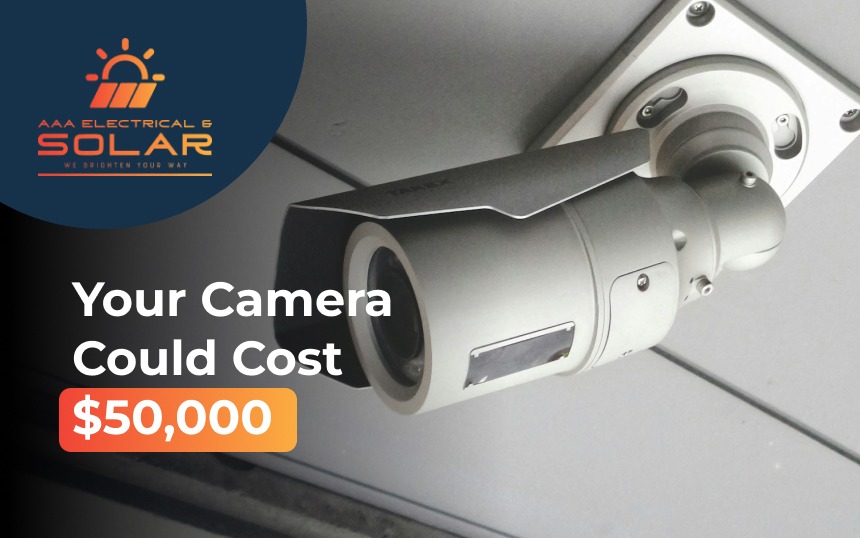
Installing CCTV can improve home security, but camera placement matters. In Victoria, recording private activities or conversations without meeting the relevant legal requirements can have serious consequences.
If you are searching for CCTV Melbourne, CCTV installation Melbourne or security camera installation Melbourne, it is worth considering more than camera resolution, storage and installation costs. You also need to understand what your cameras can see and hear.
Victoria’s Surveillance Devices Act 1999 regulates certain uses of surveillance devices, including optical and listening devices. Before installing a system, make sure its position and recording settings are appropriate for your property and comply with applicable laws.
Where You Point Your CCTV Camera Matters
Most homeowners want to monitor their driveway, entrance, garage or backyard. However, problems can arise when a camera captures a neighbour’s private activities or is deliberately positioned to record areas where people expect privacy.
The law depends on the circumstances, including what is recorded, where it happens and how the device is used. Simply pointing a camera towards a neighbouring property does not automatically establish an offence, but deliberately recording private activities can create legal risks.
Areas such as bathrooms, toilets and change rooms require particular care because of the strong privacy interests involved.
Before installation, review each camera’s field of view. Adjust its position or use privacy masking where necessary to minimise unnecessary recording beyond your property.
The Microphone You Might Forget to Switch Off
Video recording is only one part of a CCTV system. Many cameras also include microphones, and audio recording can raise separate legal concerns.
Under Victorian law, recording private conversations is subject to rules that differ from those applying to video surveillance. Whether recording is lawful depends on the circumstances, including consent and any applicable exceptions.
A camera that legally monitors your driveway could still create a problem if its microphone captures private conversations without the necessary legal basis.
If audio is not essential for your security needs, consider disabling the microphone. Ask your installer to explain the audio settings and confirm how they can be switched off.
Sharing CCTV footage also requires care. Publishing or communicating surveillance material may raise additional legal and privacy issues, even if the original recording was lawful.
What Are the Penalties for CCTV Privacy Breaches?
Misusing a surveillance device can have serious consequences under Victorian law. Depending on the conduct and the applicable offence, penalties may include substantial fines or imprisonment.
The Surveillance Devices Act 1999 sets different maximum penalties for certain offences involving individuals and bodies corporate. The monetary value of a penalty unit can change, so any fine estimate should be checked against the current official rate and the specific offence.
Not every camera-placement dispute results in a criminal offence. Some neighbour disputes may be resolved through direct communication or mediation, while more serious allegations may require legal advice or police involvement.
The best approach is to identify privacy concerns before installation rather than trying to resolve them after a complaint has been made.
How to Get Your CCTV Camera Placement Right
A professional CCTV camera installation Melbourne service should consider the actual field of view of every camera before finalising its position.
A careful installation should include:
- Property boundary checks: Identify neighbouring windows, outdoor living areas and shared driveways that could enter the camera’s view.
- Field-of-view testing: Check what the camera captures after mounting, not just where the lens appears to point.
- Privacy masking: Use available settings to block unnecessary areas from the recorded image.
- Audio configuration: Review microphone settings and disable audio recording when it is not required.
- Recording and access controls: Explain who can view, download and share recorded footage.
These steps help homeowners balance effective security monitoring with respect for their neighbours’ privacy.
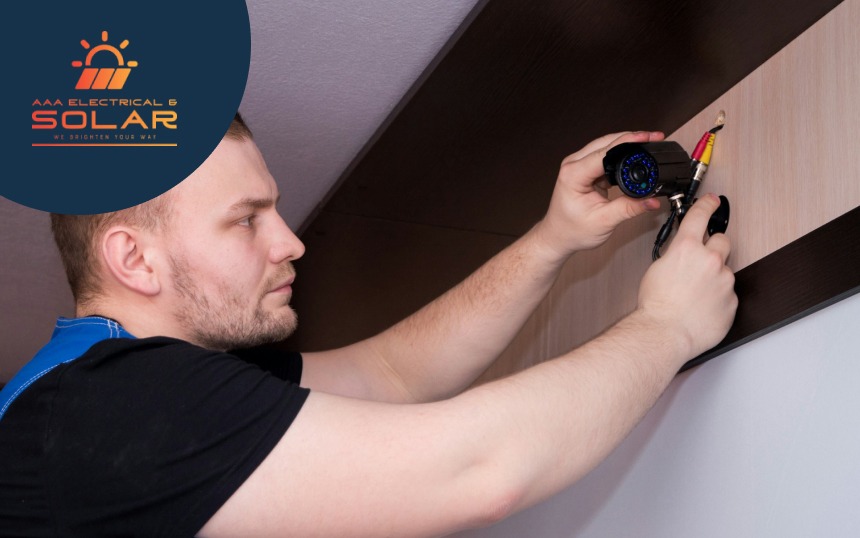
AAA Electrical and Solar Plans Your CCTV Installation Carefully
Choosing the right installer is about more than selecting cameras and mounting brackets. Placement, configuration and testing all play a role in a reliable security system.
AAA Electrical and Solar provides CCTV installation services, with attention to camera positioning and the areas each device captures. Planning these details before installation helps identify potential privacy concerns early and reduces the need for adjustments later.
If you are considering CCTV installation in Melbourne, discuss your property boundaries, camera angles and audio requirements with your installer before work begins.
A well-planned CCTV system should help protect your property while respecting the privacy of the people around it.