This Ceiling Fixture Quietly Expires After Ten Years
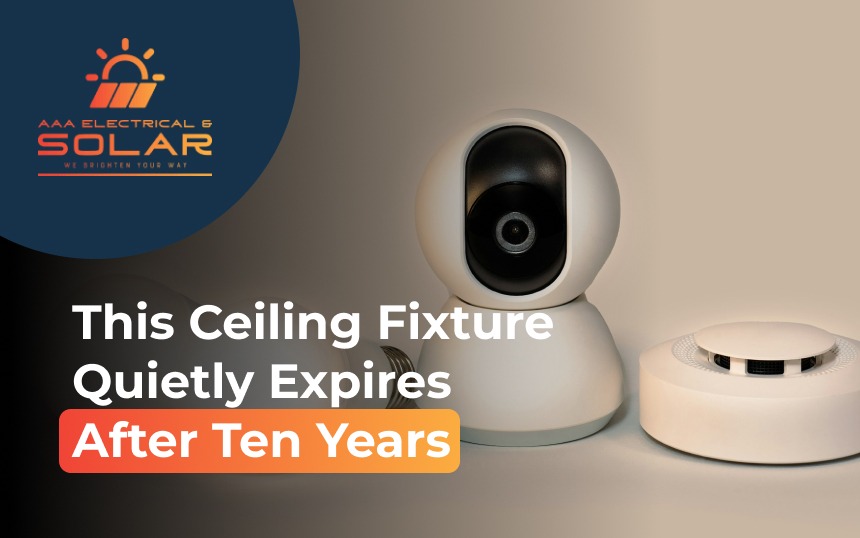
Smoke alarms, security cameras and outdoor lights all sit on the same ceilings and eaves, and each one can stop doing its job long before anyone notices. The date stamped on a smoke alarm and the angle of a sensor light decide more about property safety than most homeowners realise.
A smoke alarm never tells anyone when it stops being reliable. It just keeps sitting there, green light blinking, looking exactly the way it did the day it went up. Interconnected alarms became mandatory in new and substantially renovated Victorian homes from May 2014, which means the first wave of them has now passed the age where Fire Rescue Victoria says they should come down. It’s also why a smoke alarm installation Melbourne job often turns up alarms nobody realised were overdue.
Ten Years Is the Whole Lifespan
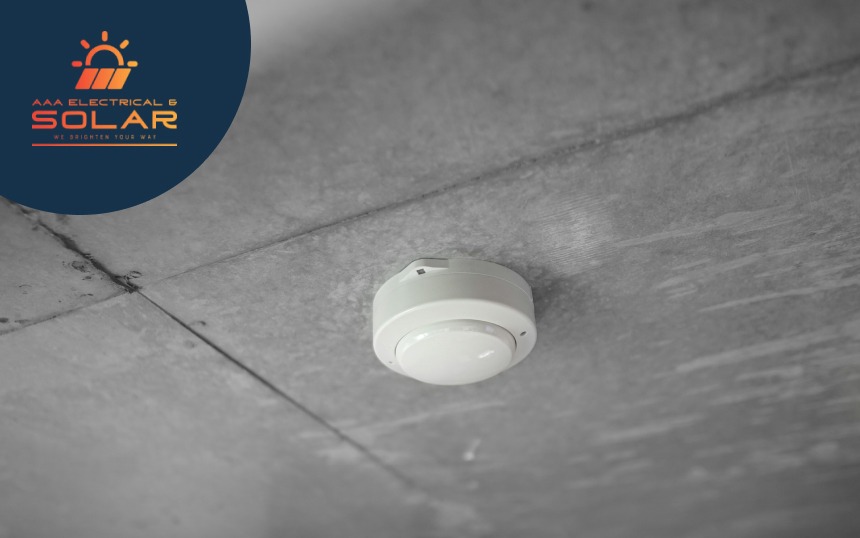
Fire Rescue Victoria’s advice is blunt. Replace every smoke alarm every ten years, whether it still beeps on test or not. The sensor inside degrades with dust, insects and age, and an alarm that sounds fine when someone holds the button can still be slower to pick up real smoke than it was a decade ago.
The manufacture date is usually printed on the back. Plenty of homes still have nine-volt units that need a fresh battery every year, and those batteries get forgotten more often than anyone admits. Licensed smoke alarm installers now tend to fit hardwired, interconnected alarms with battery backup, or sealed units with a ten-year lithium battery that lasts the full life of the alarm. One less thing to remember.
The Hallway Alarm Might Not Hear the Bedroom
Most older Victorian homes have one alarm in the hallway outside the sleeping areas and nothing inside the bedrooms. Fire Rescue Victoria now recommends an alarm in every bedroom and living area, because research shows an alarm outside a closed bedroom door may not go off in time during a fire. Kids sleep with doors shut, as most adults. A single hallway unit was the old minimum, and minimums were never designed around how people actually sleep.
Cameras Struggle More at Night Than Anyone Expects
Daytime footage almost always looks great on the installer’s phone. Night is where security CCTV Melbourne systems quietly fall apart. Infrared night vision floods the scene with light the eye can’t see, and that light bounces straight back off glass, white render, a nearby eave or a downpipe, washing the image out to a white blur.
Infrared LEDs draw insects, and spiders follow them. One web across the lens and the camera spends the night recording it, firing off motion alerts every time it moves. Proper CCTV camera installation looks at all of that before a single bracket goes up, including where the camera sits in relation to every light already on the property.
Lighting Decides What the Camera Actually Records
A badly aimed floodlight is one of the most common reasons footage comes out useless. Point it towards the camera and every face turns into a silhouette. Aim it across the driveway, away from the lens, and the same light gives a camera enough to switch into colour night vision and pick up details infrared never could, like the colour of a car or a jacket. Good lighting installation Melbourne homeowners can rely on treats the sensor light and the camera as one system, not two separate jobs done by two separate trades.
One Ladder, Three Jobs
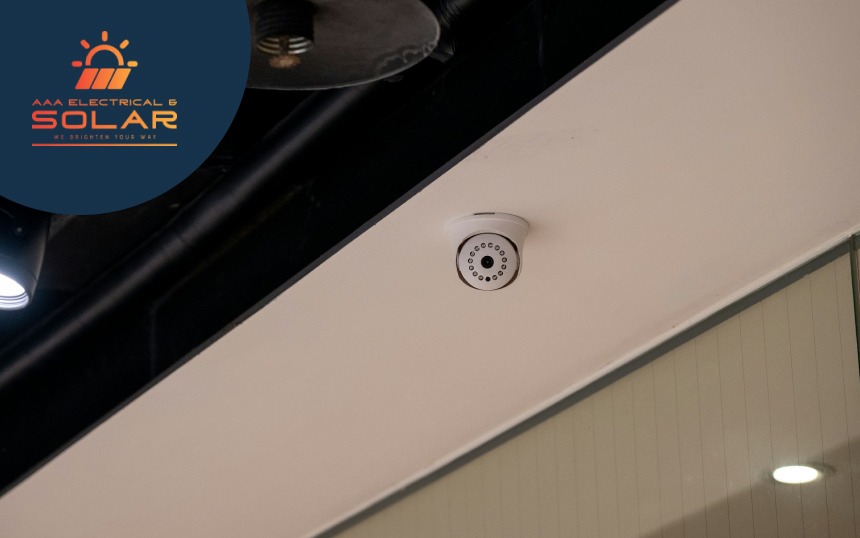
Hardwired smoke alarms, wired cameras and outdoor sensor lights are all licensed electrical work, and they all live in the same few metres of ceiling, eave and wall cavity. AAA Electrical and Solar handles all three through its own licensed electricians out of Hoppers Crossing, so the person replacing an expired alarm is the same one who can see why the porch camera keeps blurring at midnight.
Twisting a smoke alarm off its base takes about ten seconds, and the date on the back answers the first question straight away. If it reads 2016 or earlier, the alarm has already done its decade.