Most Melbourne Solar Systems Are Sized for the Roof, Not the House
Roof orientation, household energy usage, and system sizing all influence solar performance. Here’s why getting these factors right matters more than simply choosing a panel brand for your Melbourne home.
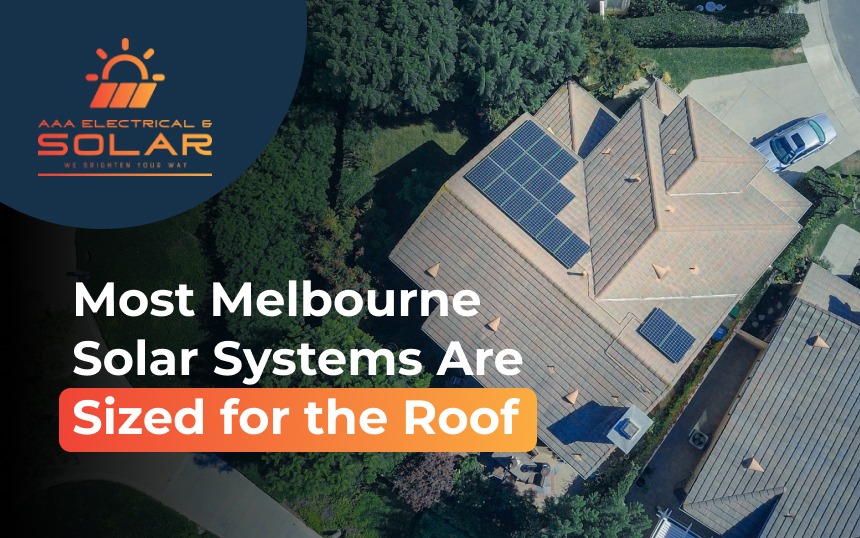
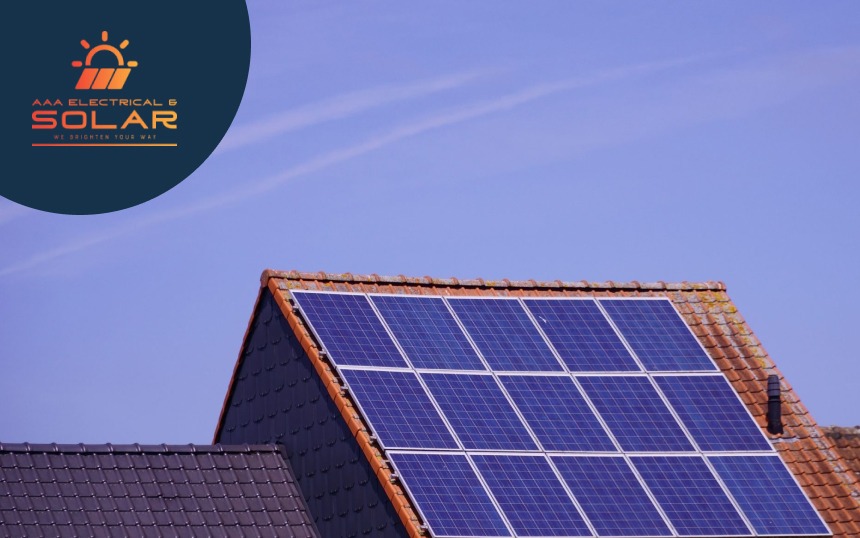
A north-facing roof gives installers an easy starting point for solar. However, many Melbourne homes have east-, west-, or south-facing roof sections, which can change how much electricity the system generates throughout the day.
This is where many solar Melbourne installations can fall short.
Installers should not size a solar system simply by counting how many panels fit on the roof. They should also consider roof orientation, household electricity consumption, daily usage patterns, and future energy needs.
Many solar quotes treat roof orientation as a minor detail. In reality, orientation can significantly affect solar generation and the overall value of the system.
Roof Orientation Affects Solar Generation
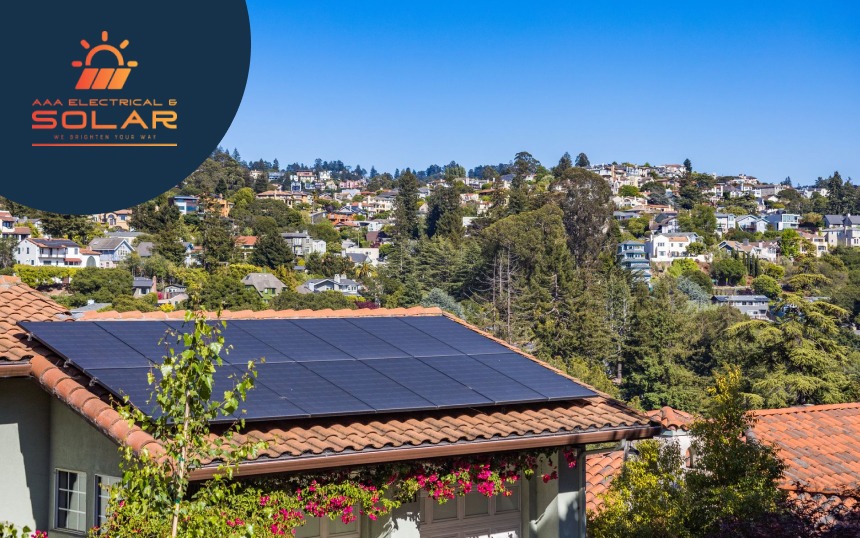
Roof orientation influences how much sunlight your solar panels in Melbourne receive throughout the day.
A north-facing roof generally receives strong sunlight throughout the day. East-facing panels tend to generate more electricity in the morning, while west-facing panels can produce more during the afternoon.
This does not mean you should avoid east- or west-facing roofs. Instead, your installer should design the system around your roof layout and household electricity usage.
For example, a home with east- and west-facing roof sections may benefit from splitting the solar array between both orientations. This approach can spread electricity generation across more of the day and potentially increase the amount of solar energy your household uses directly.
The key point is simple: solar panel performance in Melbourne starts with the roof, long before you compare panel brands or system prices.
Size the Solar System Around Your Energy Usage
Roof size only tells you part of the story.
A household that leaves home at 8am and returns at 6pm has a very different electricity usage pattern from a household where someone works from home during the day.
The same applies to homes with:
- Electric vehicles
- Pool pumps
- Air conditioning
- Electric hot water
- Home offices
- Batteries
- Other high-energy appliances
A larger solar system does not automatically deliver a better return.
If your home exports a large percentage of its daytime solar generation to the grid, you may receive less financial value than a household that uses most of its solar electricity directly.
For this reason, installers should start the sizing process with your electricity bills and usage patterns rather than simply calculating how many panels fit on your roof.
The Cost of Solar Panels in Melbourne Depends on System Size
Several factors influence the cost of solar panels in Melbourne, including system capacity, equipment quality, roof design, installation complexity, electrical requirements, and whether you add a battery.
A larger system usually costs more upfront, but a bigger system does not automatically provide a faster return on investment.
In some homes, a smaller system with better roof orientation and higher daytime electricity consumption can deliver a stronger financial return than a larger system that generates more excess electricity.
When you compare solar quotes, ask the installer to explain why they recommend a particular system size instead of simply comparing the number of panels and the total price.
What Happens During a Solar System Installation?
A professional installer can often complete a standard residential solar system installation in Melbourne within one day. However, the actual timeframe depends on the property, system size, roof design, electrical infrastructure, and installation requirements.
A typical installation includes several stages:
- Site and electrical checks: The installer checks the roof, electrical system, and proposed installation location.
- Roof preparation: The installation team fits the required mounting equipment.
- Panel installation: Technicians position and secure the solar panels.
- Inverter installation: The installer positions the inverter in a suitable location with adequate ventilation.
- Electrical connection: Technicians connect the system to the home’s electrical infrastructure.
- Testing and commissioning: The installer tests the system and confirms that it operates correctly.
- Compliance and documentation: The installation team completes the required compliance checks and paperwork.
Older Melbourne homes sometimes need additional electrical work. For example, an outdated switchboard may require an upgrade before the installer can connect the solar system.
Ask your installer to explain what the quote includes and whether your property may require electrical upgrades before installation begins.
Check Installer Accreditation Before Comparing Panel Brands
Choosing a solar installer involves more than comparing panel brands and prices.
Homeowners should check the installer’s current accreditation and confirm that the proposed equipment meets applicable Australian requirements.
The Clean Energy Council has played an important role in Australia’s solar industry and consumer protection framework. Homeowners should check the current accreditation and eligibility requirements before choosing an installer.
You should also ask about:
- Equipment warranties
- Installation warranties
- Product support
- System monitoring
- Electrical compliance
- Expected system performance
- Everything included in the quoted price
A cheaper quote does not always provide better value. An installer may leave important electrical work, installation requirements, or warranty support out of the initial price.
Get the Orientation and Sizing Right First
The best solar system is not necessarily the largest system or the one with the most expensive panels.
Instead, choose a system that matches your home’s roof orientation, electricity consumption, available roof space, budget, and future energy requirements.
For solar Melbourne homeowners, getting these fundamentals right can have a bigger impact on long-term performance than choosing between similar panel brands.
AAA Electrical and Solar checks roof orientation and household energy usage before recommending a system size.
This approach starts with the home rather than the roof alone. Your roof determines what you can install, but your household determines how much value the system can deliver.