
Solar Panels in Melbourne: Compare System Prices Before You Sign Anything

Two quotes for the same size system can land thousands apart, and the sticker price rarely explains why. Here is what a 5kW through 13kW system actually costs across Melbourne in 2026, what the rebates change, and what should be included in the number before a single panel gets installed.
A 6.6kW quote from one installer and a 6.6kW quote from another can differ by two or three thousand dollars, for what looks like the same system on paper. Panel brand, inverter quality, mounting hardware, and what happens if something needs fixing in year six all sit inside that gap, and almost none of it shows up on the one-page quote.
Victoria’s feed-in tariff sits between 4.5 and 5.2 cents per kilowatt hour in 2026, against 28 to 35 cents to draw the same amount back from the grid. That difference is exactly why system size and quality still matter more than most homeowners assume once they start comparing prices.
Why Two Quotes for the Same Size System Rarely Match
A quote built around a budget panel and a basic string inverter will always undercut one built around a tier-one panel and a smart inverter with monitoring, even at the identical stated kilowatt size. The lower number is not necessarily a bad deal, but it usually means a shorter warranty, a thinner mounting frame, or an installer working to a tighter margin somewhere in the job. Comparing the headline price without asking what sits behind it is how most bad solar decisions get made.
What Each Size Costs in 2026
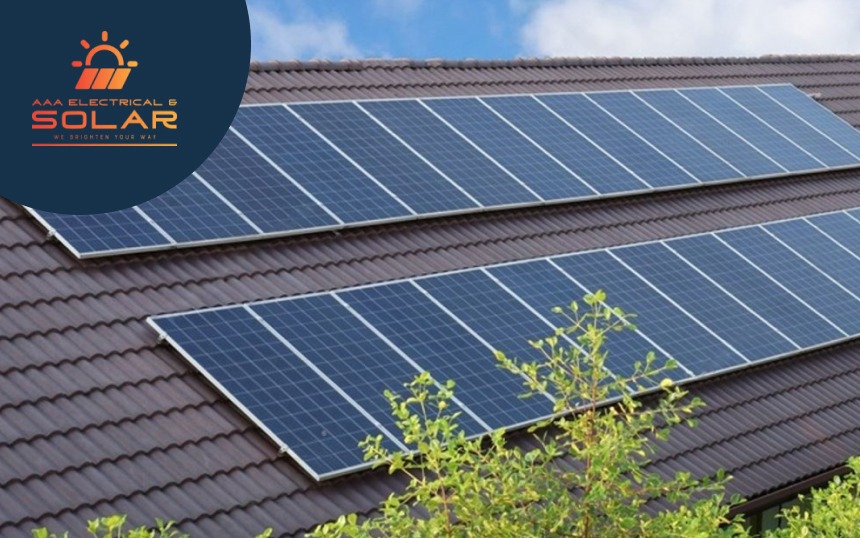
Across Melbourne in 2026, a 5kW system installed with STC rebates applied typically runs from around $4,500 to $6,000. A 6.6kW system, still the most common size for a standard household roof, sits between roughly $5,500 and $7,500. Moving up to 10kW lands between $8,000 and $10,500, and a 13kW system suited to a larger household or a home charging an EV typically costs between $11,500 and $14,000. Premium panel brands and smart inverters generally add 15 to 20 per cent on top of these figures, and a genuine like-for-like comparison has to account for that before either quote looks like the better deal.
The Rebate Stack That Changes the Final Number
The federal Small-scale Technology Certificate scheme currently discounts a 6.6kW system by somewhere around $1,400 to $2,500, depending on the certificate price on the day the system is created. Victoria’s Solar Homes Program adds up to $1,400 on top for eligible households, though the income cap for that rebate dropped from $210,000 to $150,000 from 1 July 2026, which has already pushed some Australians out of eligibility this month. Combined, the two rebates typically bring $2,800 to $4,000 off a standard 6.6kW installation before a single panel is fitted.
Cheapest Quote on Paper Isn’t the Cheapest System
A panel product warranty of 25 to 30 years and an inverter warranty of 10 years or more are standard on a properly specified system, and a workmanship warranty of at least 5 years should sit alongside both. Quotes that skip this detail, or bundle a shorter warranty into a lower headline price, tend to cost more over a 15 to 20 year system life than the higher quote did on day one, particularly if a callout for a failed panel or inverter ends up falling outside any warranty at all.
How Long Before You Get Your ROI
A well-sized 6.6kW system on a household using a reasonable share of its own solar generation during the day typically pays for itself in four to five years, once the rebates are applied. A 10kW or 13kW system, sized for a home with higher daytime usage or an EV to charge, often pays back slightly faster in relative terms, because the extra generation offsets a higher electricity bill from a similar starting cost per kilowatt. That only works if the system is the right size for the property, and a quote alone mostly skips that.
Solar Panels in Werribee and the Rest of Melbourne’s West
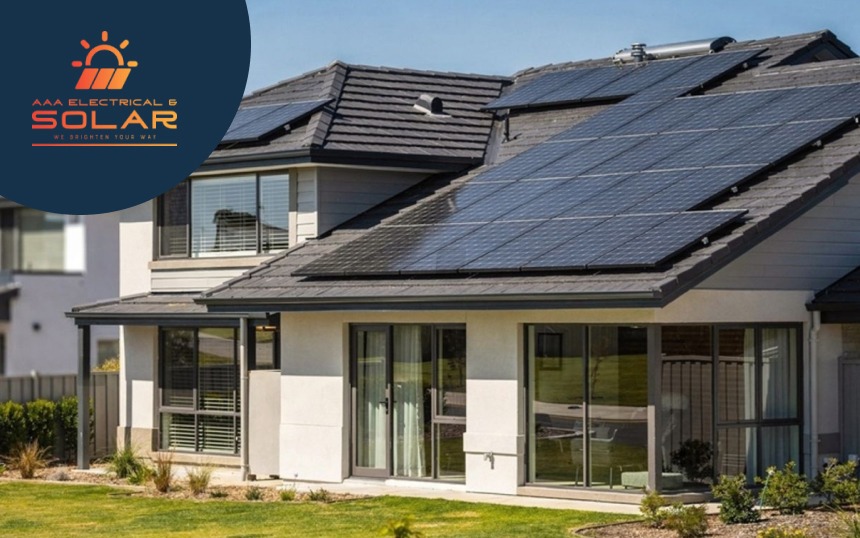
Solar panels in Werribee are priced using the same size-based numbers as the rest of Melbourne’s west, since freight, access and installation time barely change across Werribee, Hoppers Crossing, Point Cook and Tarneit. What does change from suburb to suburb is roof pitch, shading, and how the switchboard was wired the first time around, all of which affect the real quote more than the postcode does.
What You’ll See in an AAA Solar Quote Before Installation Day
AAA Electrical and Solar prices solar and electrical work as one job rather than two separate quotes, so a switchboard that needs upgrading to handle a larger system shows up in the number before installation day, not as a surprise afterward. The emergency electricians Melbourne homeowners already call for unrelated issues are often the same licensed team behind the solar install, not a separate business entirely, which matters once something needs attention after the system has been running for a few years. Compare the size, the warranty, and what is actually included before comparing the price alone, and the cheapest-looking quote usually stops looking like the obvious choice.



Solar Melbourne | Solar Panels & Installation
September 15, 2026[…] factors influence the cost of solar panels in Melbourne, including system capacity, equipment quality, roof design, installation complexity, electrical […]
Twenty-One Suspensions Expose the Solar Check Most Homeowners Skip – Think
September 28, 2026[…] with the regulator, and has a real local history, then compare price and equipment. Working out the best solar installers Melbourne has to offer starts with those checks, not a star rating pulled from a review carousel on the […]