What the Clean Energy Council Actually Checks Before a Solar Product Reaches Your Roof
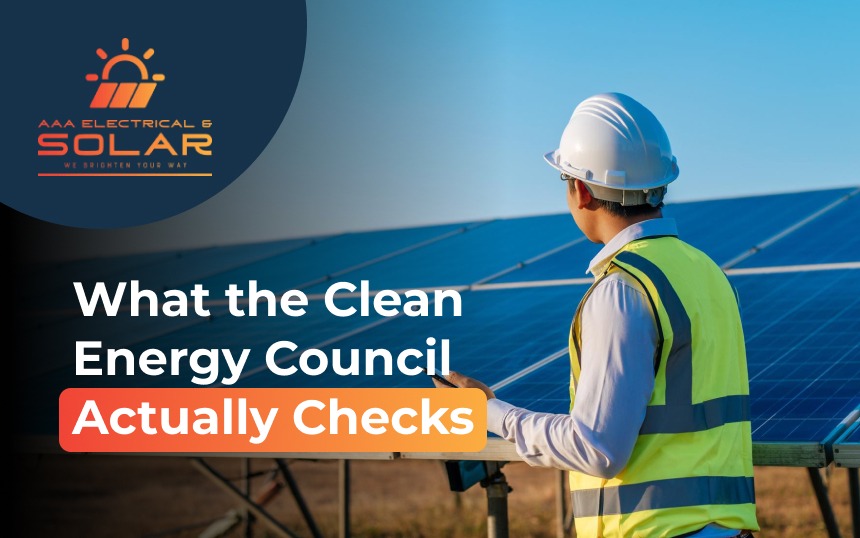
Renewable energy now generates a significant share of Australia’s electricity, with rooftop solar continuing to grow rapidly. Behind that growth is an important question for homeowners: how does the Clean Energy Council (CEC) decide which solar panels and batteries are approved for use?
The answer matters because not every solar product submitted for approval makes it onto the CEC’s approved products list. For homeowners, checking whether their solar panels, battery and installer meet current CEC requirements can provide an important layer of confidence before installation.
What Does the Clean Energy Council Check?
The Clean Energy Council plays an important role in Australia’s solar industry. Its approved products list identifies solar panels, inverters, batteries and other equipment that meet the relevant requirements for use in accredited installations.
The CEC also operates accreditation programs for solar installers and retailers.
This creates two important checks:
- Approved products: The solar panels, batteries and other equipment must meet the relevant requirements.
- Accredited installers: The installer should hold current CEC accreditation to carry out eligible solar installations.
Choosing a solar and electrical solution that meets both requirements gives homeowners an important starting point when comparing solar systems.
This is particularly important as Australia’s battery market continues to grow. More products and brands are entering the market, making it increasingly important to look beyond price when choosing a system.
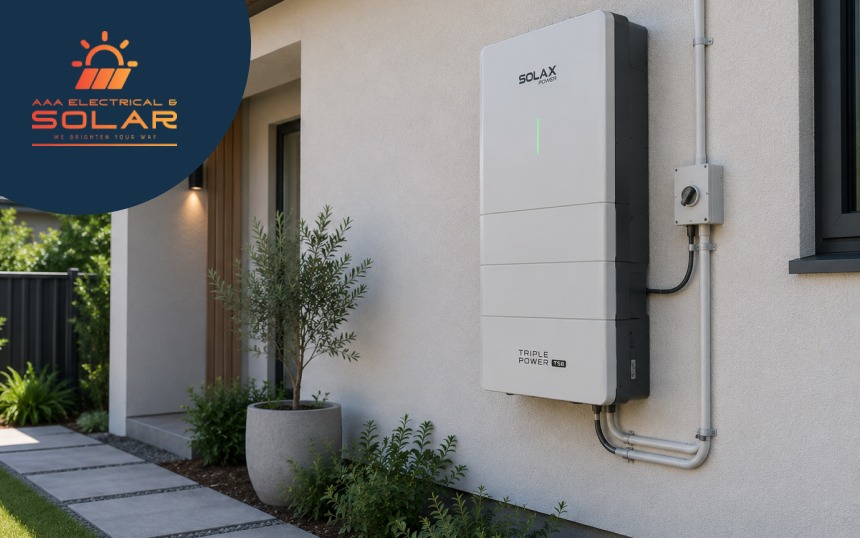
Why Battery Approval Matters
Home battery storage has become increasingly popular as more Australian households look for ways to store excess solar energy and reduce their reliance on the electricity grid.
With so many battery brands and models available, homeowners can easily become overwhelmed by different specifications, warranties and price points.
The CEC approved products list provides one useful way to check whether a particular battery has met the relevant requirements.
However, approval is only one part of the decision. Homeowners should also consider:
- Battery capacity
- Warranty terms
- Expected lifespan
- Installation requirements
- Compatibility with the existing solar system
- Manufacturer support
- Installer experience
GoodWe and Alpha ESS Batteries: What Homeowners Should Know
Two battery brands commonly considered by Australian homeowners are GoodWe and Alpha ESS.
A GoodWe battery can be paired with compatible GoodWe hybrid inverter systems and is supported through an established Australian solar distribution and installation network. Its compatibility with the wider system is an important consideration when choosing a battery.
An Alpha ESS battery uses lithium iron phosphate (LFP) battery chemistry and offers modular storage solutions, including systems such as the SMILE series.
Warranty conditions are also important when comparing batteries. Some warranty benefits can depend on how the system is installed, operated and connected to monitoring services.
This is why homeowners should read the full warranty conditions rather than relying only on the headline warranty period.
A qualified and experienced installer should also explain these requirements before the system is installed.
The Role of the Clean Energy Council Approved Solar Retailer Program
There is another layer that homeowners should understand: the Approved Solar Retailer Program.
The program focuses on how solar businesses sell systems to customers. It covers areas such as transparent quoting, contracts, sales practices and consumer protections.
This is different from simply checking whether a solar panel or battery is approved.
For homeowners, it means there are several factors worth checking before signing a solar contract:
- Is the solar product on the current CEC approved products list?
- Is the installer currently CEC accredited?
- Does the retailer meet the relevant consumer and sales requirements?
- Are the warranty and installation conditions clearly explained?
- Does the quoted system match the products that will actually be installed?
Taking the time to check these details can help homeowners make a more informed decision.
Where AAA Solar Panels Fit
AAA Electrical and Solar uses products selected from the Clean Energy Council approved products list, including Tier 1 solar panel brands such as Aiko, Jinko and Trina.
The company also works with CEC-accredited installers and offers battery solutions from brands including GoodWe and Alpha ESS.
The important point is that the size of a solar panel or the strength of a sales pitch should not be the only factor when choosing a solar system.
The product, installer and retailer all deserve attention.

Why Clean Energy Council Accreditation Matters
CEC accreditation does not automatically mean that a solar system is the perfect choice for every home. It is one part of a much bigger decision.
However, checking current accreditation and product approval status gives homeowners a useful starting point.
Before signing a solar quote, ask the installer to confirm:
- The exact solar panel model being installed
- The exact battery model, if applicable
- Whether the products are currently CEC approved
- Whether the installer holds current CEC accreditation
- What warranties apply
- What installation and monitoring requirements apply
These questions can help you understand exactly what you are paying for.
Choose the Right Solar Products and Installer
Australia’s solar market continues to expand, and homeowners now have more choices than ever.
That makes it even more important to look beyond price.
Whether you are considering AAA solar panels, a GoodWe battery, an Alpha ESS battery or another approved system, check the product, installer and warranty details before making a decision.
AAA Electrical and Solar works with CEC-accredited installers from Hoppers Crossing and provides solar panels and battery storage solutions for Melbourne homeowners.
Before signing a quote, ask what products will be installed and confirm their current approval and accreditation status.
A few minutes of checking can help ensure that the system going onto your roof is supported by the right products, the right installer and the right protections.