Why a GoodWe Battery Is a Smart Choice for Home Energy Storage
Choosing a home battery involves more than just the name on the box. It is about how well it performs over time, how much energy it actually saves, and whether it fits the way your household uses power. This guide breaks down why the GoodWe battery stands out in 2026, what makes a battery a smart long-term investment, and how to choose the right setup for a more reliable, everyday energy use.
Solar Choice’s independent 2026 Battery Scorecard ranked GoodWe as the top home solar battery in Australia this year, ahead of Enphase, Alpha ESS, Sigenergy and Sungrow. Rankings like that rarely happen by accident, and the reasons behind it are worth understanding before assuming any battery with a recognisable name will do the same job.
A battery is a fifteen-year investment sitting on a garage wall, quietly deciding how much of the sun your panels caught today actually ends up powering your evening. Picking the right one is worth more thought than the brand on the box.
What Actually Makes a Battery a Smart Choice
Efficiency, warranty terms, and how the unit actually behaves during a blackout matter more over fifteen years than the number printed on the spec sheet at the point of sale. A battery that loses a meaningful chunk of stored energy on every charge and discharge cycle is quietly costing money every single day, in a way that never shows up as a single obvious expense.
Where a GoodWe Battery Earns Its Reputation
A goodwe battery consistently returns a round-trip efficiency in the 95 to 97 per cent range, meaning only a small fraction of the energy your panels generate is lost between storing it and actually using it that evening. Over a full year, that efficiency gap between a merely decent battery and a genuinely good one adds up to real dollars, not just a number worth quoting in a brochure. The all-in-one ESA range combines inverter and battery into a single unit, switches to backup power in under four milliseconds during an outage, and uses a plug-and-stack design that lets capacity be added later without replacing what is already installed. LFP cell chemistry and an IP66 rating make it genuinely capable of living outside, and the ten-year product and performance warranty holds as long as the unit stays connected for ongoing monitoring, with performance cover guaranteeing at least 70 per cent of usable capacity for the full ten years or a set energy throughput, whichever comes first.
The 2026 Update That Makes It an Even Smarter Pick
GoodWe expanded the ESA range this year with a three-phase inverter option running up to just under 30kW and new battery module sizes up to 9kWh, giving larger homes and small commercial sites a genuine all-in-one option that previously required a more complex, multi-brand setup. Pricing has also settled at a genuinely competitive point, sitting around $955 per usable kilowatt hour, which is part of why the 2026 scorecard placed it ahead of names that, on paper, sound equally premium.
GoodWe Battery or Alpha ESS Battery?
An Alpha ESS Battery is not a lesser option, it is simply built for a different purpose. The SMILE-G3 range scales further, up to 60.5kWh through modular stacking, and is built with Virtual Power Plant participation in mind for households planning to earn credits by feeding stored power back to the grid at peak demand. Where GoodWe tends to suit straightforward, reliable day-to-day backup and retrofitting onto an existing system, Alpha ESS suits a household planning to expand capacity significantly over time or actively chase VPP income. Neither is the wrong battery. The right one depends on how the household actually plans to use stored power.
A Battery Is Only as Good as the Panels
None of this matters much if the panels above the battery are not sized properly for what the household actually uses. Every AAA solar panels installation starts with the array sized against daytime and evening usage before a battery brand is even discussed, since a battery only ever stores what the panels generate, and a wrongly sized array leaves even the best battery on the market working with less than it should have. A 95 per cent efficient battery paired with an undersized array is still a system quietly underperforming, just for a different reason than the one most people assume when a bill looks higher than expected.
What Happens When Something Goes Wrong
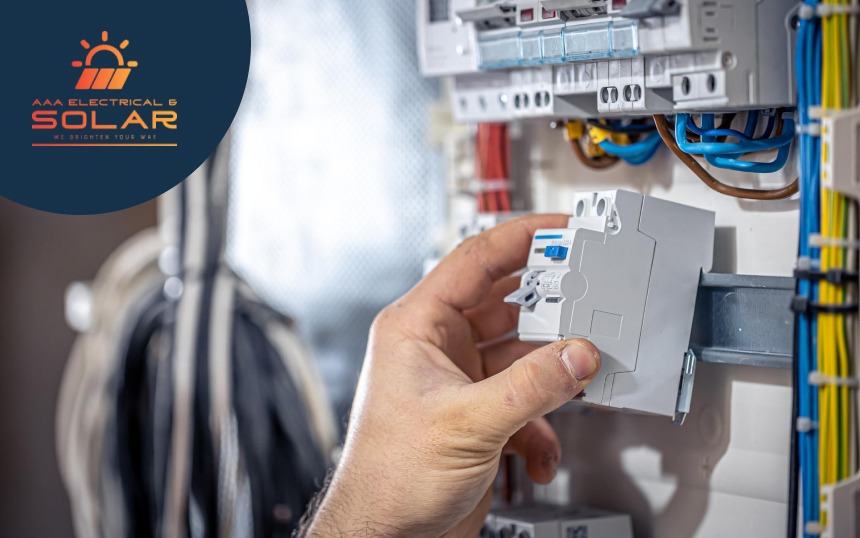
A well engineered battery like this, still sits inside a property’s broader electrical system, and a tripped circuit or a fault at 2am does not wait for business hours. An emergency electrician Melbourne line answered by the same licensed team that installed the panels, the inverter and the battery in the first place gets a fault sorted faster than a call centre dispatching a stranger with no history of the site.
Why the Installer Matters as Much as the Battery
AAA Electrical and Solar installs both GoodWe and Alpha ESS battery systems alongside its own panel installations, and answers its own emergency line with the same licensed team behind the original install, not a subcontracted call centre.
A scorecard ranking is a useful starting point. What actually protects a battery investment over fifteen years is the sizing, the installer, and who answers the phone the one night something trips. Get those right and the ranking on the box becomes a lot less important than it looked at the start.